Transform Your Outdoors with Expert Artificial Grass Installation Services
Transforming outdoor spaces with artificial grass has become a practical choice for many property owners. This solution provides a lush, verdant landscape without the ongoing demands of natural grass. The installation process is simple, yet understanding the nuances can make a significant difference. Investigating the benefits and considerations of this option uncovers much more than mere aesthetics. What factors should one think about before making such a change?
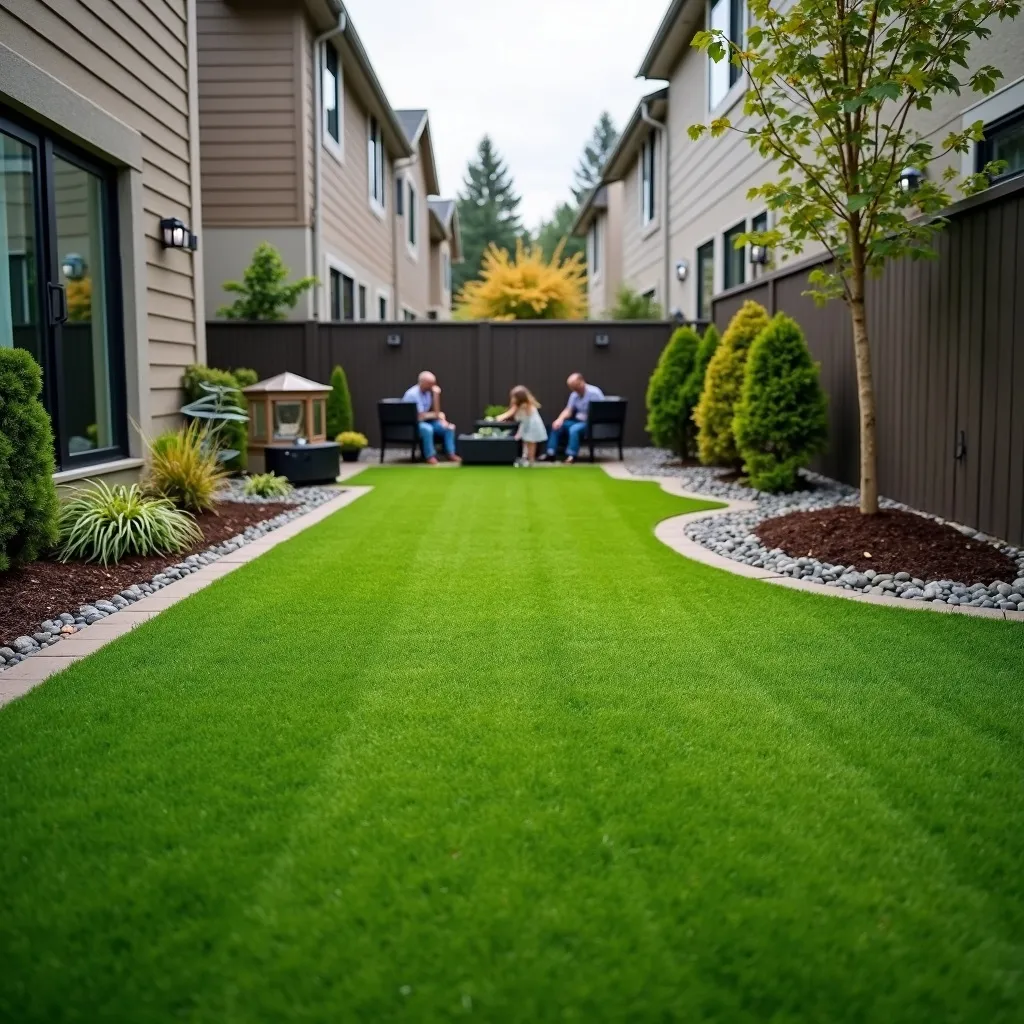
Why You Ought to Substitute Your Lawn With Artificial Grass
Many homeowners are increasingly choosing to exchange their natural lawns with artificial grass owing to its numerous pluses. One of the primary benefits is the marked reduction in maintenance time and costs. Unlike natural grass, artificial turf does not demand regular mowing, watering, or fertilizing, enabling homeowners to save on both labor and inputs. Additionally, artificial grass stays lush and green throughout the year, providing a uniformly appealing aesthetic regardless of weather conditions.
In addition, synthetic grass is nature-positive, as it eliminates the need for hazardous chemical products. It also conserves water, a vital concern in many regions struggling with drought. The durability of artificial grass guarantees that it can handle heavy foot traffic, making it great for families with children and pets. Ultimately, the decision to install synthetic grass can lead to a more eco-friendly, stunning, and hassle-free outdoor space.
What Will Occur During the Installation Procedure?
During the installation of synthetic turf, property owners can anticipate a systematic and efficient process that transforms their yard. Initially, the installation team performs a thorough assessment of the area, measuring dimensions and detecting any drainage issues. Following this, they ready the ground by eliminating old turf and waste, guaranteeing a smooth base for the fresh lawn.
Following this, a layer of aggregate gravel is positioned to facilitate proper drainage. The team then installs a anti-weed membrane to block undesirable growth below the grass. After the base is prepared, the synthetic lawn is spread out and cut to fit the designated area, delivering uniform edges.
In conclusion, the grass is held in place with adhesive or fasteners, and cushioning materials may be added for stability and realism. Homeowners can expect to see their refreshed outdoor area ready for use within a brief period, often just a day or two.
Picking the Finest Artificial Grass for Your Lifestyle
When choosing synthetic turf, understanding how it suits your lifestyle is vital. Points including usage frequency, pet ownership, and visual preferences play an important role in making the ideal selection. Plus, maintenance expectations can vary substantially, shaping long-term satisfaction and upkeep.
Lifestyle Compatibility Factors
Determining the ideal artificial grass requires examining various lifestyle compatibility aspects that can substantially impact its performance and fit across diverse locations. For households with kids and animals, toughness and durability are paramount, guaranteeing the grass can resist rigorous use and play. Also, climate acts as an important consideration; locations with extreme temperatures might need UV-resistant materials to prevent color loss. The primary application furthermore is important—be it for play areas, aesthetic garden design, or athletic activities, various grass options deliver distinct advantages. Furthermore, design preferences must correspond with the comprehensive design of the outdoor environment, ensuring a unified appearance. Lastly, municipal rules or neighborhood standards might establish limitations, rendering it necessary to understand these factors prior to choosing.
Maintenance Specifications Summary
Maintenance needs hold significant importance in determining the best artificial grass for individual lifestyles. Various types of artificial grass differ in maintenance needs, which can influence a homeowner's selection. For those with pets or children, choosing a product that is simple to maintain and stain-resistant is necessary. Furthermore, some types may require periodic brushing and infill replenishment to maintain their appearance and functionality. On the other hand, low-maintenance options are perfect for busy individuals who want a more hands-off method. Understanding these maintenance factors allows homeowners to choose artificial grass that not only complements their outdoor aesthetics but also fits their lifestyle requirements, ensuring long-term satisfaction and enjoyment.
Key Steps for Installing Artificial Grass
Installing artificial grass involves numerous essential steps to guarantee a positive result. Key aspects include proper ground preparation methods, implementing proper drainage solutions, and performing the grass installation process carefully. Each step plays a significant role in achieving a long-lasting and visually attractive result.
Site Preparation Strategies
Effective groundwork is crucial for a successful artificial grass installation. First, the existing grass and debris must be removed, ensuring a clear base. Next, the ground should be evened, addressing any dips or high spots to create a flat surface. Compaction of the soil is important to prevent future settling, and this can be achieved using a plate compactor. Once the area is level and compacted, a weed barrier fabric should be laid down to reduce future growth. Finally, a layer of crushed stone or gravel should be spread to improve drainage and provide stability. Each of these steps contributes to a strong foundation, ensuring the longevity and performance of the artificial grass.
Adequate Runoff Solutions
After establishing a strong foundation through proper site readiness, attention shifts to introducing efficient drainage solutions for artificial grass. Ensuring sufficient drainage is vital to avoid water buildup, which can harm the grass and lead to unpleasant odors. The installation process typically includes adding a drainage layer, often made of crushed stone or gravel, beneath the artificial turf. This layer enables water movement away from the surface, allowing for rapid absorption and decreasing the risk of pooling. Additionally, strategically positioned drainage channels can improve water flow, directing excess moisture away from high-traffic areas. It is essential to assess the landscape's natural slope to optimize drainage effectiveness, ultimately maintaining the integrity and appearance of the artificial grass.
Grass Installation Steps
The grass installation process unfolds through a sequence of exact steps that ensure a positive outcome. Initially, the area is measured and marked for precise dimensions. Following this, current vegetation and waste are eliminated, guaranteeing a clean surface. Next, a compressed base layer of aggregate material is placed to promote drainage. A weed barrier is then applied to prevent unwanted growth.
Once the base is in place, the artificial grass is rolled out and cut to fit the designated area. It is fastened with adhesive or stakes to maintain stability. Finally, infill material is incorporated to enhance durability and mimic natural grass. This systematic approach results in a beautifully transformed exterior area.
How to Maintain Your Artificial Grass Looking Excellent
Keeping the luminous appearance of artificial grass involves ongoing maintenance and care. Routine cleaning is essential; a simple rinse with water can remove debris and dust. For more stubborn stains, a mixture of mild soap and water is workable. Additionally, wielding a broom or firm brush can help keep the fibers upright and looking fresh.
Routinely inspecting for debris, such as leaves or branches, prevents accumulation that can lead to discoloration. To maintain ideal drainage, make sure that any standing water is promptly removed. During times of intense activity, it may be advantageous to add infill to preserve the grass's look and integrity.
In conclusion, shielding artificial grass from pointed items helps prevent wear. By following these basic maintenance tips, property owners can ensure their synthetic grass remains an appealing and useful outdoor space for many years.
Artificial Grass Success Stories: Transformations in Real Settings
Artificial grass beautifies the visual appeal of outdoor spaces and converts them into functional areas for families and pets. Many homeowners have witnessed remarkable transformations after laying down artificial grass. In one case, a family with a small backyard replaced their patchy lawn with vibrant synthetic turf. This modification provided a safe, green play area for their children and pets, substantially expanding outdoor usage.
A remarkable case involves a community park that battled upkeep expenses and water restrictions. By choosing artificial grass, the park not only reduced its environmental footprint but also delivered a green, appealing space for gatherings and activities, driving increased community engagement.
Moreover, a commercial property enhanced its charm by deploying artificial grass in its outdoor lounge area, encouraging more visits. These stories report illustrate how artificial grass can powerfully upgrade outdoor environments, incorporating beauty with practicality.
Frequently Asked Questions
Is Synthetic Grass Secure for Pets and Children?
Artificial grass is widely safe for pets and children. It is free from toxins, easy to clean, and free from harmful chemicals. However, guaranteeing correct installation and upkeep is essential for maximum safety and comfort.
How Long Can Artificial Grass Persist?
Artificial grass generally lasts between 15 to 25 years, based on factors such as quality, attention, and environmental conditions. Proper care can lengthen its duration, securing a durable and visually pleasing outdoor surface for diverse activities.
Is It Possible to Set up Artificial Grass on My Own?
Yes, people can put in artificial grass on their own. However, it requires careful planning, suitable equipment, and a solid grasp of the installation process to ensure a long-lasting and effective outcome that satisfies aesthetic and functional expectations.
How Many Will Artificial Grass Installation Cost You?
The expense of artificial grass placement typically extends from $5 to $20 per square foot, influenced by factors such as material quality, labor expenses, and site conditions. Residents should secure multiple quotes for accurate budgeting.
Does Synthetic Grass Require Adequate Drainage?
Yes, artificial grass requires proper drainage to hinder water retention. A well-designed drainage mechanism allows for excellent water circulation, securing the extended lifespan of the synthetic grass and sustaining its visual appeal and operational efficiency over time.